Caulking & Sealants. Precision at Every Joint.
Professional caulking and sealing solutions for building joints, window perimeters, façades, and other vulnerable interfaces — supporting weather protection and property maintenance.
Small Details. Important Protection.
Building joints are essential interfaces between different construction materials and components.
Windows, façade panels, concrete elements and other building components meet at joints and transitions that may require appropriate sealing.
Over time, existing sealants can deteriorate, lose adhesion, crack or separate from adjoining surfaces. These conditions may create opportunities for unwanted moisture or air movement.
Roofklin Services Limited provides caulking as part of its specialist building maintenance services, with its rope-access capabilities supporting work on difficult-to-reach building areas.


Seal.
Maintain.
Building Sealing Applications.
Different parts of a building require different sealing approaches. Explore common application areas and maintenance considerations.
Window Perimeter Sealing
Sealing interfaces between window frames and surrounding building materials where suitable weatherproof joints are required.
WINDOW INTERFACESFaçade & Cladding Joints
Sealing selected joints between exterior building panels, cladding components and façade interfaces.
EXTERIOR JOINTSExpansion & Movement Joints
Sealant applications involving designated movement joints where flexibility and joint performance are important considerations.
MOVEMENT ACCOMMODATIONRoof Details & Penetrations
Appropriate sealing around selected roof transitions, flashings and penetrations where compatible systems are specified.
ROOF INTERFACESConcrete & Masonry Joints
Joint sealing considerations involving concrete, masonry and adjoining building components.
CONSTRUCTION INTERFACESSealant Renewal & Maintenance
Assessment and replacement of deteriorated sealants where joint conditions indicate that maintenance is necessary.
PREVENTIVE MAINTENANCEExplore the Details Behind Effective Sealing.
Explore simplified architectural illustrations showing where different building joints and interfaces may require appropriate sealant systems.
Window Perimeter Sealing
Window frames meet surrounding walls through interfaces that may require weather-resistant sealing. Deteriorated perimeter sealant can contribute to moisture entry and unwanted air movement.
Discuss Window SealingFaçade Panel Joints
Exterior cladding systems include joints between panels and adjoining components. The correct sealant approach depends on panel materials, joint geometry, exposure and expected movement.
Discuss Façade SealingExpansion & Movement Joints
Movement joints are designed to accommodate certain changes between building elements. Sealing systems used in these locations must be selected for the joint's intended movement and construction details.
Discuss Joint MaintenanceRoof Edges & Transitions
Roof edges and penetrations involve transitions between roofing systems, flashings and adjoining building materials. Appropriate joint sealing may form part of a wider roof maintenance or waterproofing solution.
Explore Roofing ServicesThese diagrams illustrate general joint locations only. They are not installation drawings or technical specifications. Actual joints require appropriate assessment and system selection.
Different Materials. Different Applications.
Sealant selection depends on the surfaces being joined, expected movement, exposure conditions and project requirements. These are three commonly used sealant material families.
Silicone Sealants
Silicone sealants are used in selected glazing, window and exterior joint applications. Suitability depends on the specific product, substrates and joint requirements.
Polyurethane Sealants
Polyurethane sealants are used in selected construction and masonry joint applications. Performance varies by product formulation, surface preparation and exposure.
Hybrid Polymer Sealants
Hybrid sealants are formulated for various construction applications. Their adhesion, flexibility, paintability and weather resistance depend on the selected product.
Material selection should follow the requirements of the joint, the manufacturer's product data, and compatibility with existing materials.
When Should Sealants Be Reviewed?
Building sealants can deteriorate over time. Recognizing visible changes can help property owners identify joints that may require closer inspection.
Cracked or Split Sealant
Visible cracks or splitting may indicate deterioration or movement beyond the sealant's capabilities.
Sealant Pulling Away
Separation from the adjoining surface may indicate adhesion failure or substrate problems.
Missing or Damaged Sections
Gaps, damaged material or incomplete joints may need inspection and appropriate repair.
Moisture Around Interfaces
Damp patches near windows, cladding or wall joints may indicate water entry, although other causes are also possible.
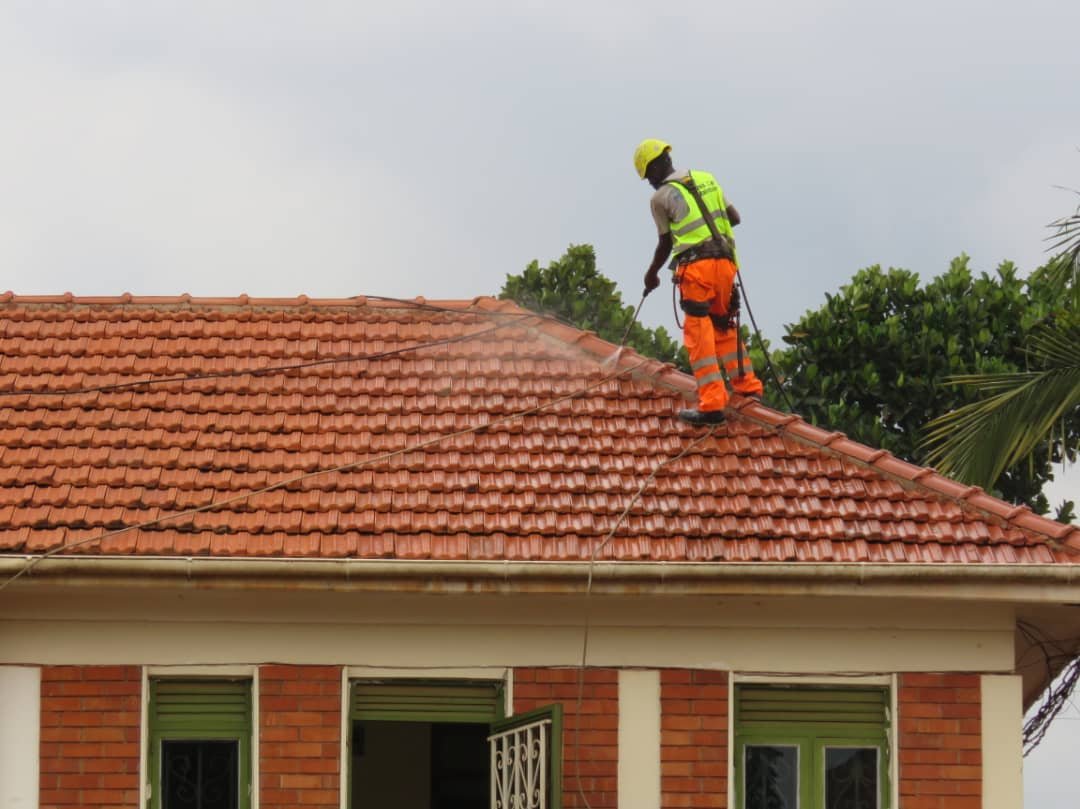
Understand the Problem.
A Professional Approach to Every Sealing Project.
Roofklin's established four-stage working framework guides the approach to building maintenance projects.
Assess Structures
Understand the affected joints, existing sealants, building interfaces and access requirements.
Plan Solutions
Consider the sealing scope, materials, joint preparation, expected movement and site arrangements.
Execute with Precision
Carry out the agreed preparation and sealing work according to the selected system and project requirements.
Ensure Satisfaction
Review the completed sealing work against the agreed scope and address outstanding project matters.
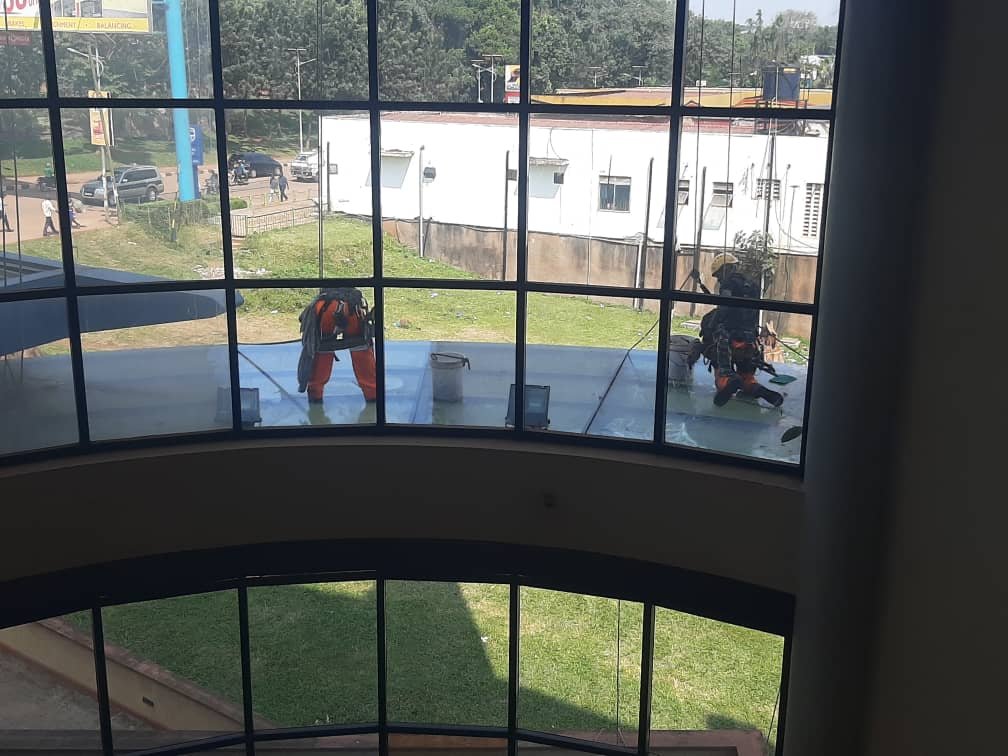 SPECIALIST WORK AT HEIGHT
Sealing Solutions. Even at Height.
Some building joints are located on façades, upper floors and other difficult-to-reach areas.
Roofklin's experience in industrial abseiling and rope-access maintenance provides an access capability for selected work at height. The appropriate access arrangement depends on the building and project.
A Closer Look at Our Work.
Explore selected photographs from Roofklin's collection of specialist property maintenance projects.
View Recent WorksFrequently Asked Questions.
Find answers to common questions about building sealants, joint maintenance, replacement and project enquiries.
01 What is caulking used for?
Caulking involves applying a suitable sealant to selected joints and gaps between building components.
Depending on the joint and product, it can help manage unwanted moisture or air penetration.
02 When should an existing sealant be replaced?
Replacement may be necessary when sealant becomes cracked, detached, damaged or unsuitable for the intended joint.
Inspection helps determine whether localized repair or a more extensive replacement is appropriate.
03 Can new sealant be applied over old sealant?
Applying new sealant over deteriorated material is not generally a dependable replacement method.
Appropriate preparation may involve removing failed material, cleaning the joint faces and preparing the surfaces according to the selected system.
04 Is every sealant suitable for every joint?
No. Sealants differ in adhesion, flexibility, compatibility, curing requirements and environmental resistance.
Product selection should consider the substrates, joint geometry, movement, exposure and manufacturer's specifications.
05 Can sealing work be carried out on high-rise buildings?
Selected sealing and façade maintenance tasks can be performed at height when an appropriate access method and safe working arrangement are established.
Roofklin provides rope-access building maintenance services. Access suitability depends on the particular project.
Explore Rope Access Works06 How can I request a sealing quotation?
Contact Roofklin with your property location, the type of joint or building area affected, and a description of the required work.
Photographs, approximate quantities and information about the height or accessibility of the affected area can help explain the project.
Request a QuoteNeed Professional Caulking & Sealing?
Whether you are planning joint maintenance, sealant replacement or specialist sealing work on a commercial or residential building, contact Roofklin to discuss your requirements.