Underground Services. Expertise Beyond the Surface.
Specialist building maintenance considerations for below-ground structures, basements, foundations and difficult-to-access interfaces — with a focus on assessment, protection and practical solutions.
Protection Starts Beneath the Surface.
Underground building elements are essential to the performance and protection of a property.
Foundations, basement walls, underground chambers, floor slabs and service penetrations can be exposed to groundwater, soil moisture, changing ground conditions and other environmental influences.
When defects develop in below-ground concrete, construction joints or waterproofing systems, they may contribute to moisture penetration, material deterioration and maintenance challenges.
Roofklin Services Limited includes underground services within its wider property maintenance portfolio. Its related concrete repair and water leakage prevention services provide a useful starting point for discussing suitable below-ground maintenance requirements.
Understand.
Protect.
Understanding Underground Needs.
Below-ground environments contain multiple structural and building-service interfaces. These are common areas to consider when discussing an underground maintenance project.
Basement & Substructure Interfaces
Consideration of below-ground walls, floor slabs and adjoining construction elements where defects or moisture concerns may arise.
BELOW-GROUND STRUCTURESBelow-Grade Water Ingress
Reviewing signs of groundwater penetration, dampness or seepage affecting basements and other underground building areas.
WATER-ENTRY CONCERNSConcrete Cracks & Construction Joints
Considering concrete defects, movement joints and construction interfaces where appropriate repair or sealing solutions may be required.
CONCRETE MAINTENANCEService Penetrations
Reviewing interfaces where pipes, ducts or other services pass through below-ground walls and structural elements.
PIPE & SERVICE INTERFACESUnderground Chambers & Pits
Identifying maintenance concerns associated with below-ground access chambers, service pits and other restricted-access structures.
ACCESS & CONDITIONMaintenance Assessment & Planning
Establishing the affected area, visible symptoms, access limitations and project requirements before deciding on appropriate next steps.
PROJECT PLANNINGExplore What Lies Beneath the Building.
Below-ground structures can contain several interfaces where maintenance concerns develop. Select a location to explore the role of each component and the issues that may require attention.
Basement Walls
Below-ground walls separate internal basement areas from surrounding soil and moisture. Cracks, construction joints and deteriorated protective systems may contribute to water penetration.
Explore WaterproofingWall / Floor Junctions
Where basement floors meet surrounding walls, construction interfaces can be vulnerable to moisture movement if the relevant protection or joint details fail.
Explore Leakage PreventionService Penetrations
Pipes and other building services may pass through below-ground concrete walls or slabs. These locations require appropriate interface detailing and compatible sealing arrangements.
Explore Sealant ServicesUnderground Chambers
Underground access chambers and pits can present inspection, deterioration and restricted-access challenges. Maintenance suitability and safe access require careful site-specific assessment.
Discuss Your Site ConditionsThis illustration is a general conceptual guide, not an engineering drawing. Underground structures and building systems differ, and actual maintenance requirements depend on the site's conditions.
Different Conditions. Different Challenges.
Underground environments often require attention to structural conditions, water movement, access limitations and the surrounding building systems.
Water Penetration
Groundwater and soil moisture may enter below-grade structures through defects in concrete, joints or waterproofing systems.
MOISTURE MANAGEMENTMaterial Deterioration
Concrete cracks, damaged joints and other defects may require investigation before an appropriate repair approach is chosen.
STRUCTURAL INTERFACESRestricted Access
Below-ground pits, chambers and enclosed spaces can present serious access and environmental hazards that require specialist planning and controls.
SITE SAFETYConnected Building Systems
Underground structures may contain drainage, plumbing, waterproofing and other systems that need coordinated consideration.
SYSTEM COORDINATIONSafe Planning. Informed Decisions.
Below-ground work can involve site conditions that are not immediately apparent from the surface.
Understanding the structure, access environment, potential hazards and the scope of work is an essential part of responsible planning.
Site & Structure Assessment
Establish the nature of the affected area, structural conditions, symptoms and project requirements.
Access & Hazard Review
Identify whether confined-space, excavation, atmospheric, flooding or other hazards may be present.
Suitable Technical Approach
Determine what investigation, specialist input and maintenance methods are appropriate.
Scope & Coordination
Consider how the proposed work interacts with the building's existing systems and operations.
With Assessment.
Underground chambers, pits and excavations may be hazardous or qualify as confined spaces. Entry or intrusive work should only proceed following an appropriate professional assessment and the required site-specific controls.
A Structured Approach to Specialist Maintenance.
Roofklin's established working process provides a framework for discussing, planning and reviewing specialist property maintenance projects.
Assess Structures
Understand the affected area, reported concerns, building conditions and access limitations.
Plan Solutions
Consider suitable repair options, professional assessments, site controls and agreed project scope.
Execute with Precision
Undertake the agreed maintenance activities using appropriate methods and site-specific controls.
Ensure Satisfaction
Review the completed work against the agreed requirements and address outstanding matters.
Engineering Below the Surface.
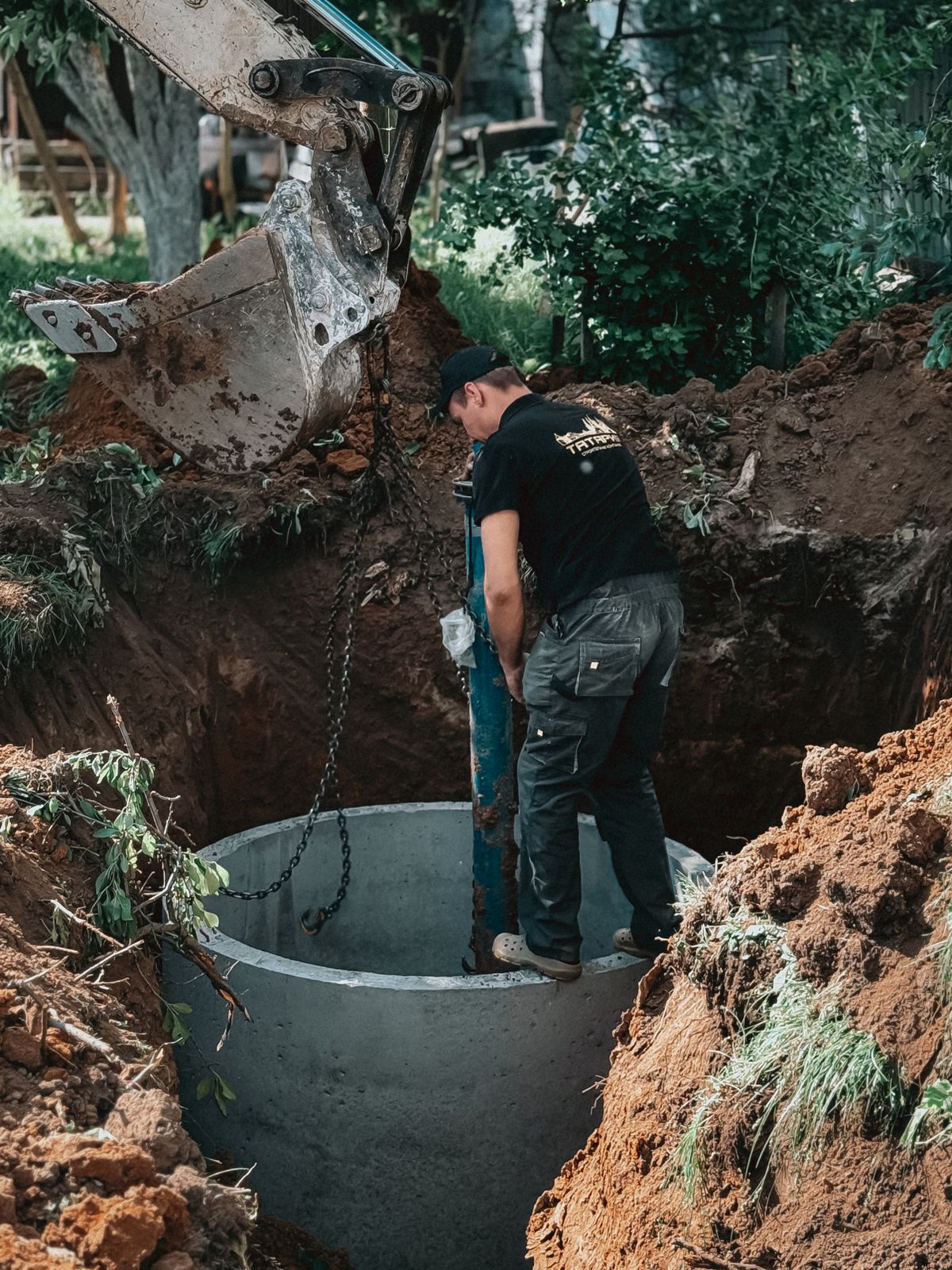
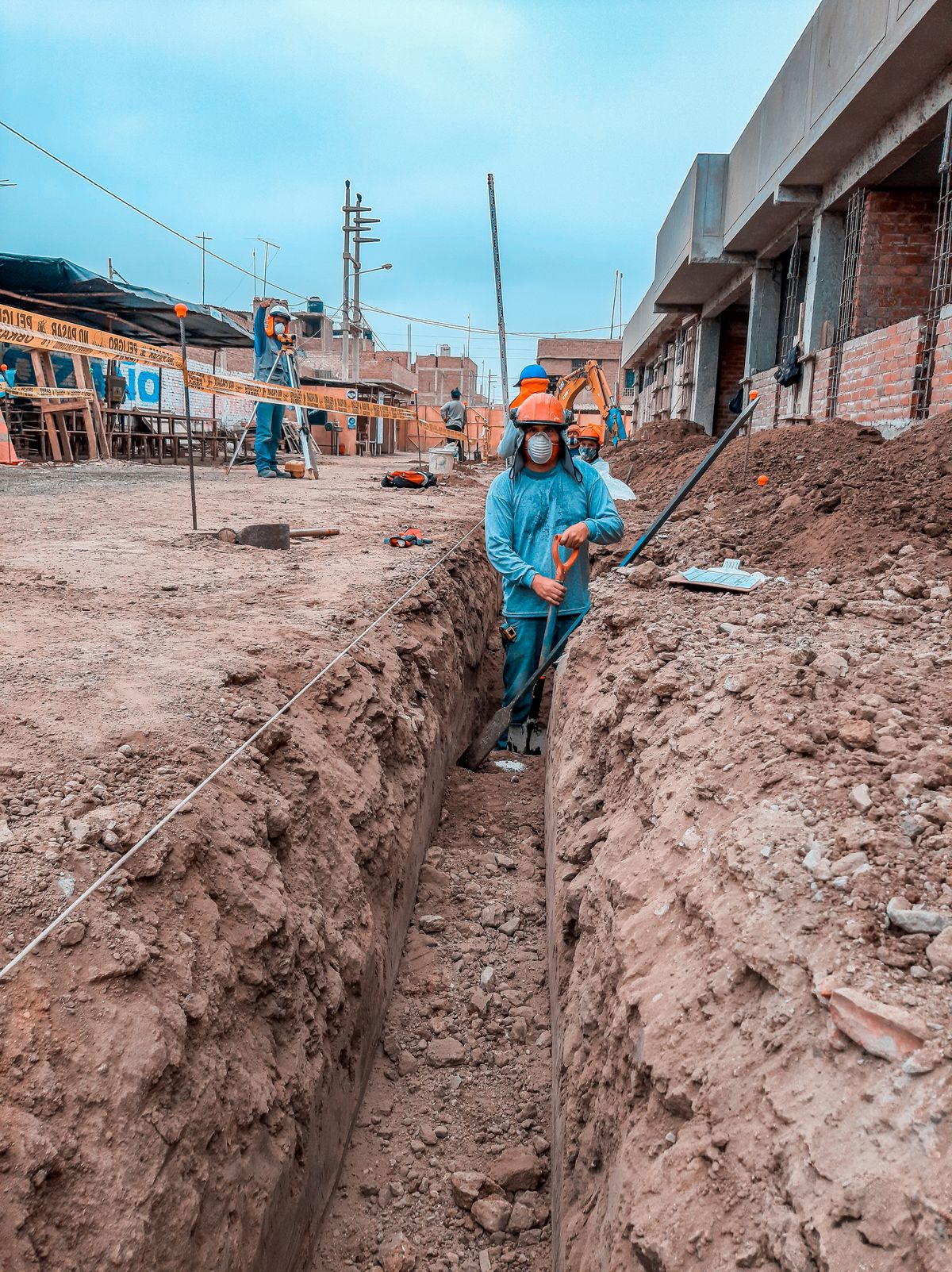
Explore illustrative photographs representing the types of infrastructure and below-ground environments discussed on this page.
View Roofklin's Recent WorksImages shown are illustrative infrastructure photographs and do not represent verified Roofklin project installations.
Frequently Asked Questions.
Answers to common questions about underground building maintenance, below-ground water ingress and site considerations.
01 What are underground building maintenance services?
Underground building maintenance relates to assessing and addressing issues involving structures and building systems located below ground.
Depending on the project, these may involve basements, foundations, construction joints and service interfaces.
02 Can water leakage in a basement be repaired?
Many basement water ingress problems can be addressed using an appropriate repair or waterproofing solution.
The suitable method depends on identifying the source of water, the structural condition and the location of the defect.
Explore Leakage Prevention03 What causes moisture to enter underground structures?
Water may enter through cracks, defective joints, service penetrations or compromised waterproofing systems.
Groundwater conditions and drainage problems may also contribute to moisture concerns.
04 Can concrete cracks contribute to underground leaks?
Yes. Some cracks can form pathways for moisture movement, although not every concrete crack causes water leakage.
The cause, width, movement and structural significance of a crack should be considered before selecting a repair.
Explore Concrete Repair05 Are underground chambers and pits hazardous?
Some underground chambers and pits can contain dangerous atmospheres, flooding risks, restricted access or other serious hazards.
They require appropriate professional assessment before any entry or intrusive maintenance activity.
06 How can I request an underground maintenance quotation?
Contact Roofklin with your property location, a description of the affected area, and the issue you would like addressed.
Photographs, available drawings, relevant maintenance history and information about access limitations can help explain the project.
Request a QuotationNeed Assistance Below Ground?
Contact Roofklin Services Limited to discuss below-ground building maintenance, water ingress concerns and specialist project requirements.